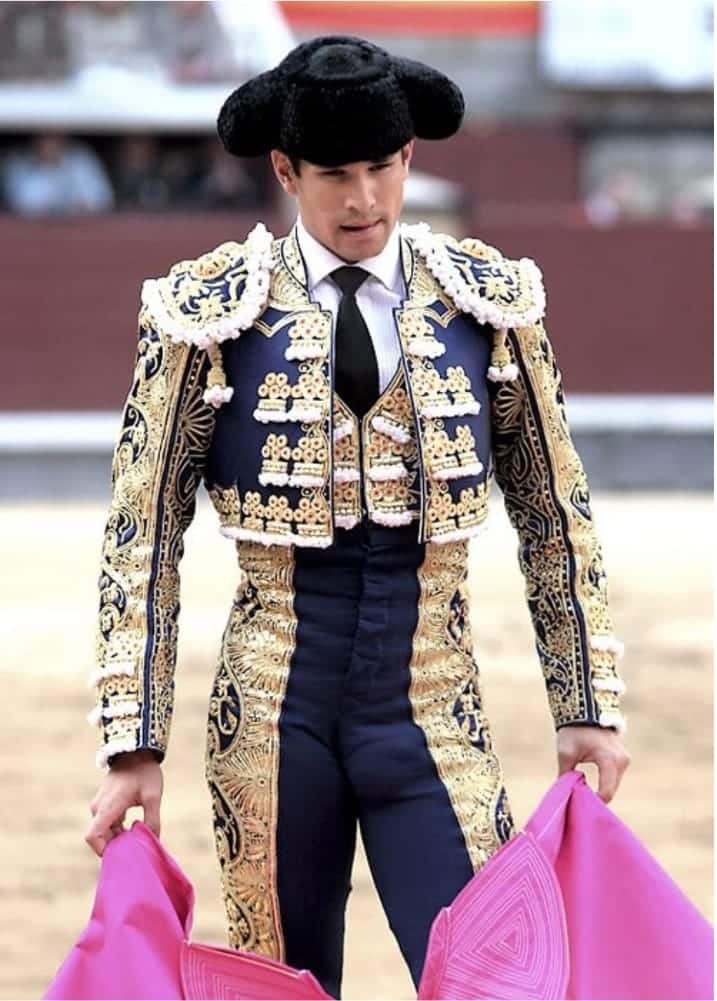
Curiosities of Bullfighting You Probably Didn’t Know
The world of bullfighting (tauromaquia) is full of history, art, and passion — but it also hides countless curiosities that make this Spanish tradition truly unique. At La Plaza Taurina by Toroshopping, we explore some of the most fascinating facts about this centuries-old spectacle, from the symbolism of the costumes to the rituals that take place inside the arena.
🎯 1. The Suit of Lights: A Handmade Masterpiece
Each suit of lights can take more than 200 hours to create. Hand-embroidered with gold or silver threads, it’s tailored to each matador and named for the way it shines under the sun.
🕰️ 2. The Paseíllo Has Its Own Ceremony
The paseíllo, the opening parade of every bullfight, follows a precise hierarchy: first the matadors (by seniority), then their assistants, and finally the picadors and banderilleros.
🐃 3. Every Bull Has Its Own Identity Card
Each fighting bull has an official identity document listing its name, breeder, date of birth, and brand number — all recorded in the Stud Book of the Fighting Bull.
🎨 4. Bullfighting Has Inspired Great Artists
Picasso, Goya, and Hemingway were all captivated by bullfighting. Their works depict the drama, beauty, and emotion of the encounter between man and bull.
🎺 5. Not All Bulls Enter the Arena
Some bulls raised in breeding farms never face a matador. The most exceptional ones become breeding bulls, while others are exhibited in museums and cultural shows.
💫 6. Each Bullring Has Its Own Character
From Las Ventas in Madrid to La Maestranza in Seville or La Malagueta in Málaga, every bullring has its own atmosphere, traditions, and passionate audience.
These curiosities of bullfighting remind us that tauromaquia is not just a spectacle — it’s art, history, and identity. At La Plaza Taurina by Toroshopping, we continue to explore and share the fascinating world of Spanish bullfighting culture.